Memory foam pillows are designed to conform to the contours of the head and neck, providing targeted support that can help align the spine during sleep. The material often responds to temperature and weight, allowing gradual relief from pressure points while maintaining a stable loft. These pillows are commonly used to address neck stiffness and to promote steadier sleep posture through the night.
In this category, memory foam pillows balance firmness and contouring to offer customizable comfort without excessive compression. Key features include high-density foam for durability, breathable covers to improve airflow, and removable, washable covers for easy maintenance. Understanding foam density and height helps readers select a pillow that matches sleep position and body stature.
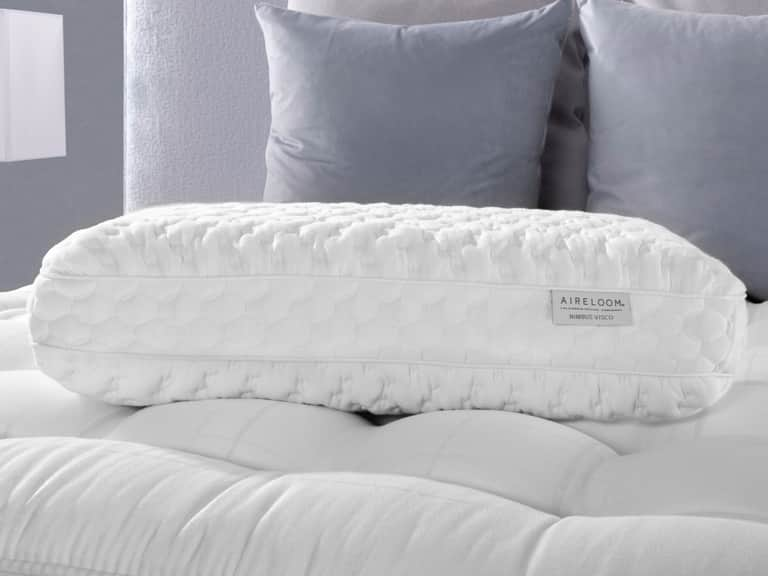
Among notable products, the Aireloom Nimbus Visco High Profile Pillow exemplifies memory foam design with a higher loft for side sleepers and enhanced neck support. Viscoelastic foam adapts to movement, while the high profile maintains alignment during shifts in position. Functional benefits include reduced toss-and-turn and stabilized head positioning.
For sleepers seeking a balanced response, memory foam pillows often pair with targeted zone foams or memory foam layers to provide additional lumbar or shoulder support without sacrificing overall pressure relief. Materials science considerations, such as open-cell structure and density, influence breathability, durability, and long-term comfort, especially in warmer environments.
Educating readers about compatibility with different bedding setups—such as latex toppers, breathable pillow covers, and layered pillow configurations—helps clarify use cases for memory foam pillows. By examining loft, density, and contour behavior, users can assess suitability for snoring reduction, spinal alignment, and sleep quality across various positions.
 Bedding