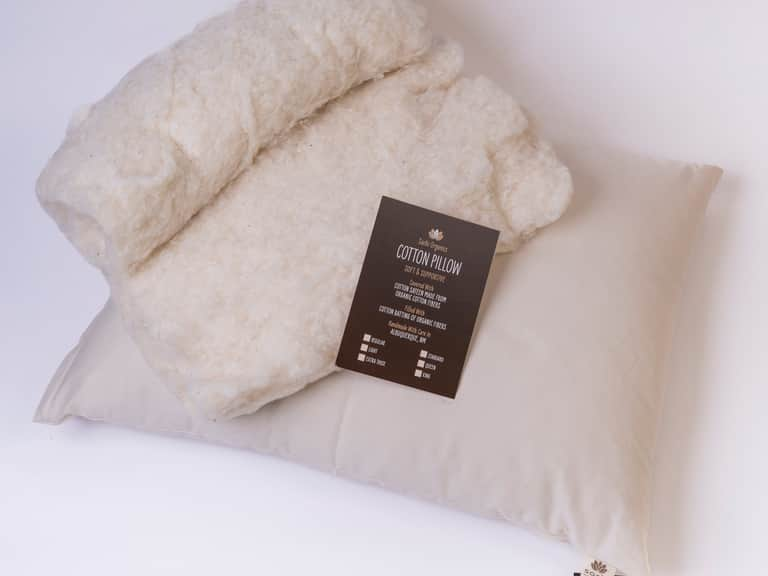
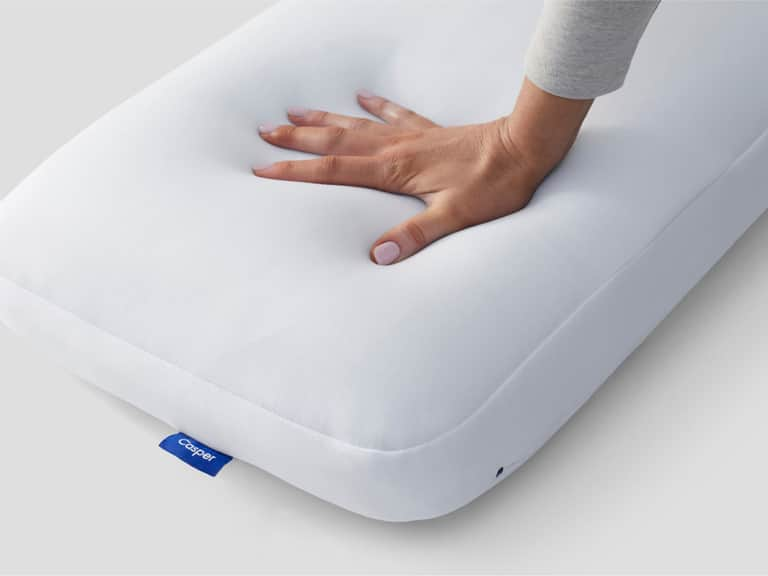
A couture-informed tale of Kapok, the buoyant plant fiber turning heads in the world of natural pillows. From origin stories to loft dynamics, this feature traces how Kapok stacks up against Down, Wool, Latex, and Memory Foam, while weaving guideposts for sustainable sourcing and mindful care. We spotlight voices from textile historians to modern makers and researchers, and we highlight a leading example product to ground the discussion in real-world craft.
Kapok is a natural plant fiber harvested from seed pods of the kapok tree. It’s celebrated for a buoyant, airy loft that feels almost weightless in hand, yet provides a surprising resilience when packed into a pillow. Historically used in traditional bedding across multiple cultures, Kapok embodies a lineage of sustainable comfort. Its loft is not just about fluff; it’s about airflow, temperature regulation, and a pillow that breathes with you through the night.
In the modern sleep landscape, Kapok pillows occupy a refined niche: lightweight, cloud-like fill that resists clumping and tends to maintain loft longer than some down alternatives when well cared for. The fiber’s hydrophobic nature also lends a degree of water resistance, contributing to a fresh, airy sleep surface.
When brands such as Savvy Rest and Sleep and Beyond foreground organic Kapok fillings, the conversation expands beyond comfort into ethics and sustainability. Organic Kapok, sourced from responsibly managed ecosystems, positions Kapok pillows as a possible beacon for eco-conscious shoppers seeking a lighter footprint without sacrificing plushness.
Kapok shines when layered as part of a multi-material structure. In some models, it appears as the main fill, enveloped by a organic cotton shell, while in others it sits alongside other natural fibers to adjust loft and contour. Compared to traditional Down, Kapok offers a loft that’s airy yet more voluminous per ounce, often translating into a pillow with a lighter initial feel and a slower compression over time. Compared to Wool, Kapok’s temperature response is typically brisker, with a breezier touch that can be ideal for warm sleepers. Against Latex or Memory Foam, Kapok’s resilience is more forgiving, with less “sink” but more bounce and air flow.
The practical differences arise when you consider sleep position:
For those with sensitivities or allergen concerns, Kapok’s natural properties can be appealing when the fill is certified organic and the pillow is encased in organic cotton or a breathable fabric. The care routine matters too: Kapok pillows benefit from regular airings, occasional gentle spot cleaning, and careful storage away from excess moisture to preserve loft and fiber integrity.
Ethical sourcing matters as much as comfort. When Kapok is certified organic and sourced from farms with transparent supply chains, the ecological advantages multiply. Look for certifications that reassure you about pesticide-free farming, fair labor, and responsible waste management. Kapok fibers themselves are typically processed with minimal chemical intervention, preserving their natural character.
Practical care tips:
Sourcing snapshot: notable brands weaving Kapok into organic, hand-made lines include Savvy Rest and Sleep and Beyond, among others. These brands illustrate how Kapok can be implemented with integrity—clean shell fabrics, responsible filling, and an emphasis on longevity.
Content is inspired by Kapok fiber applications in modern pillow design and editorial perspectives on sustainable textiles.
To deepen your understanding, explore textile historians, material scientists, and contemporary makers who contribute to the ongoing conversation about Kapok and natural fillings. The following voices offer a spectrum across eras: